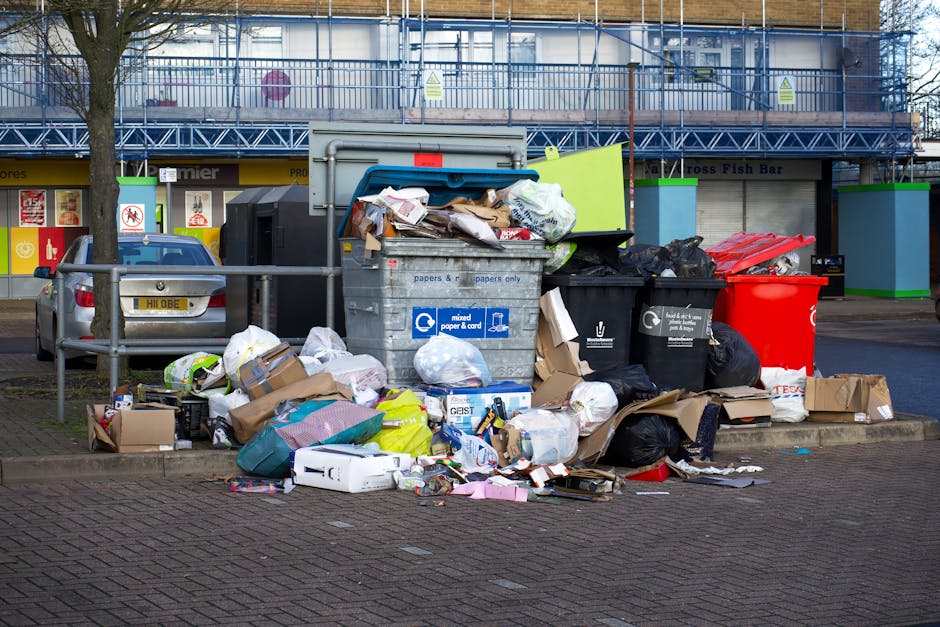
TW13 rubbish collection tips for Feltham High Street shops

Running a shop on Feltham High Street is busy enough without waste piling up behind the counter, crowding the stockroom, or turning delivery day into a bit of a scramble. Good TW13 rubbish collection tips for Feltham High Street shops are really about keeping the business tidy, safe, and efficient while making waste removal feel like a normal part of the week rather than a last-minute fire drill.
In practice, that means knowing what waste you produce, when it appears, where it should go, and how to move it without blocking customers, neighbours, or staff. It also means choosing the right collection method for the space you have. A small independent retailer, a cafe with daily food waste, and a larger unit doing refits will all need slightly different rubbish collection habits. Sounds obvious, but it is where many problems start.
This guide walks through how rubbish collection works for TW13 shops, the main options available, the common mistakes to avoid, and the practical steps that make life easier on a busy high street.
Why TW13 rubbish collection tips for Feltham High Street shops Matters
On a high street, waste is never just waste. It affects presentation, footfall, safety, and how smoothly your day runs. A cardboard stack left out a little too long can make the pavement look untidy. A mixed bin overflowing at the wrong time can attract pests or upset nearby businesses. And a heavy load that is handled badly can slow down deliveries or create a trip hazard for staff and customers.
For Feltham High Street shops, the pressure is often practical rather than dramatic. Space is tight. Back areas are small. Deliveries come and go. Staff may be juggling customer service, restocking, and closing duties all at once. If rubbish collection is not planned, it becomes one more thing that gets done in a rush. And rushed waste handling is where little issues turn into bigger ones.
There is also a branding angle. People notice tidy frontages. They notice if the alleyway smells, if packaging spills into view, or if old fixtures sit around for days after a refit. Even if customers never mention it, they do clock it. Let's face it, a smart shop with a messy waste area sends mixed signals.
Good rubbish collection tips help you:
- keep staff working safely and efficiently
- avoid clutter in stockrooms and service areas
- reduce the chance of missed collections and overflow
- protect the look of the shopfront and surrounding pavement
- separate recyclable waste from general rubbish more easily
If your shop produces regular commercial waste, it may be worth looking at commercial skip hire or, for faster clear-outs with less site disruption, wait and load skip hire. Both can be more practical than trying to squeeze everything into small bins and hoping for the best.
How TW13 rubbish collection tips for Feltham High Street shops Works
The phrase sounds local and specific, but the process is actually straightforward. You identify the main waste streams your shop creates, decide how often they need clearing, and match the collection method to your space, operating hours, and volume.
For most Feltham High Street shops, rubbish collection falls into one of these patterns:
- Routine shop waste: packaging, damaged stock, display materials, office paper, and general rubbish.
- Bulky waste: shelving, broken furniture, old counters, mannequins, or shopfitting waste.
- Special items: fridges, appliances, confidential paperwork, or mixed materials that need careful sorting.
- Project waste: waste from refurbishments, strip-outs, or seasonal fit-outs.
That is where the right service matters. A standard bin collection might suit light day-to-day waste, but it often falls short when a shop has a refit, a stockroom clear-out, or a major delivery of packaging waste. In those cases, a targeted service like rubbish removal, man and van, or grab hire services can be a better fit.
The best approach usually starts with a simple question: what can be handled in-house, and what is better taken away in one go? Shops that answer this honestly tend to stay tidier and spend less time managing waste chaos at closing time.
For bigger refurbishments or demolition-related clear-outs, the waste stream changes again. A unit that is being stripped back may need builders waste removal, construction waste disposal, or even demolition waste removal. That is especially relevant if you are replacing fittings, flooring, or structural elements.
Key Benefits and Practical Advantages
Rubbish collection is one of those behind-the-scenes tasks that quietly shapes how the whole business feels. Do it well, and nobody notices. Do it badly, and everybody does.
Here are the main advantages of getting your TW13 shop waste process in order:
1. A cleaner customer experience
A clear front area and tidy rear storage space make the whole premises feel more professional. That matters on a high street where shoppers compare places quickly, sometimes in seconds.
2. Better use of limited space
Small shops rarely have the luxury of spare room. A smarter collection routine stops cardboard, packaging, and broken fixtures from eating into storage space needed for stock.
3. Safer working conditions
Less clutter means fewer trip hazards, fewer awkward lifts, and fewer blockages around fire exits or staff pathways. It sounds basic, but basic is often the thing that gets missed.
4. Less disruption to trading
Collections arranged at the right time can reduce the awkwardness of moving waste through customer areas. Some shops prefer early morning. Others want after-hours. There is no universal answer, just the one that fits your trade.
5. Easier recycling and sorting
When waste streams are separated properly from the start, recyclable materials are more likely to stay clean and usable. That is better for the environment and often better for operational efficiency too. If sustainability is part of your business message, this is worth doing properly. You can also explore recycling and sustainability for a broader view of responsible disposal.
| Collection goal | What good practice looks like | Why it helps |
|---|---|---|
| Keep the shop tidy | Remove waste before it spills into customer areas | Improves appearance and prevents clutter |
| Reduce disruption | Schedule collections around trading hours | Minimises noise, blockage, and stress |
| Handle mixed waste properly | Separate recyclable, general, and special waste | Supports safer, cleaner disposal |
| Manage larger clear-outs | Use the right vehicle or container for the job | Prevents multiple unnecessary removals |
Who This Is For and When It Makes Sense
This topic is most useful for shop owners, managers, franchise operators, landlords, and fit-out contractors working in TW13 and the Feltham High Street area. If your business makes more than the odd bag of rubbish a day, you will probably benefit from a more structured approach than ad hoc bin lifts.
It makes particular sense if you are:
- opening a new shop and need a practical waste plan from day one
- changing stock regularly and creating lots of packaging waste
- refitting a unit or replacing old displays and fixtures
- clearing out storerooms that have become, frankly, a bit of a jungle
- dealing with bulky items that normal bin collections will not take
- working in a narrow frontage or shared access route where timing matters
It is also relevant if your premises generate items that need special handling. For example, a cafe replacing equipment might need fridge and appliance removal. A retail unit clearing office records might prefer confidential shredding. And if the waste is more substantial than expected, a compact container may not be enough, which is where skip sizes and prices becomes helpful for planning.
If you are asking, "Is this overkill for my small shop?" the answer is usually no. Even modest volumes become messy when they are repeated every day. Small waste, done often, can still become a management problem.
Step-by-Step Guidance
The easiest way to get this right is to treat rubbish collection like any other part of shop operations. Not glamorous. Not exciting. Still essential.
-
Map your waste streams.
Write down what your shop throws away in a typical week. Cardboard, plastic wrap, damaged products, office paper, food waste, old fittings, and so on. A single rough list is enough to start with.
-
Estimate how often each type appears.
Some waste is daily. Some is weekly. Some only appears when you have a delivery, a sale event, or a refit. This timing affects the service you need.
-
Check where waste is stored before collection.
Many shop waste problems are really storage problems. If the rear yard is tiny or shared, collections need tighter coordination. In some cases, same day skip hire may be the easiest way to clear space quickly after a burst of activity.
-
Choose the collection method that matches the job.
For short, heavy, or awkward loads, wait and load skip hire can work well because the waste is loaded and removed without leaving a container behind. For ongoing higher-volume waste, a larger and more structured collection plan is often better.
-
Set a routine and stick to it.
The best waste plan is the one staff can actually follow. Simple rules beat fancy ones that nobody remembers after lunch. One bin for cardboard. One area for general waste. One place for anything special.
-
Review after busy periods.
After seasonal peaks, stock changes, or a refit, look again at your system. Waste needs change. A shop that was fine in spring can be overloaded by December packaging and display materials.
If the work involves access constraints, narrow roads, or quick turnaround, you may find skip hire useful, but only if the setup suits your site. In tighter settings, a service like enclosed and lockable skip hire can make more sense where security or containment matters.
Expert Tips for Better Results
After a while, the small details matter more than the broad idea. These are the things that tend to make the biggest difference in real shop settings.
- Keep cardboard flat. It sounds trivial, but it saves a surprising amount of space and makes collections quicker.
- Use one named waste point. Staff work better when there is one clearly understood spot for outgoing waste. Not three. Not "somewhere round the back".
- Separate sharp or awkward items early. Broken shelving, metal brackets, and fixings should not sit loose with lightweight packaging.
- Plan around deliveries. If stock arrives in the morning and collections happen mid-afternoon, you avoid waste stacking up in customer view.
- Keep special waste out of ordinary bins. Appliances, confidential papers, and anything potentially hazardous need different handling.
- Use the fastest method for short windows. If you only have a narrow access slot, a vehicle-based pickup may be easier than leaving a container on site.
One practical observation from working around busy commercial areas: the shops that stay tidy usually do not have more space, just better habits. That is the honest truth. The routine matters more than the heroic clean-up at the end of the week.
Also, do not assume "out of sight" means "sorted". In a compact stockroom, waste hidden behind boxes still slows everyone down. You notice it most when someone is carrying a tray of stock and has to sidestep a pile of flattened packaging. Annoying, then dangerous, then avoidable.
Common Mistakes to Avoid
Most waste issues are not caused by one big mistake. They come from lots of small ones repeated until the place feels disorganised.
- Waiting too long to clear packaging. Cardboard grows arms and legs if you let it. Well, not literally, but it spreads.
- Mixing waste types. Once recyclable material is contaminated, you lose options and create more sorting work.
- Blocking access routes. Waste stored in front of exits, delivery doors, or staff-only corridors creates risk and hassle.
- Ignoring bulky items. One old till counter or broken fridge can create more trouble than ten light bags of rubbish.
- Choosing the wrong removal method. The cheapest-looking option is not always the practical one, especially on a narrow high street site.
- Forgetting about security. Open bags, sensitive paperwork, and exposed waste can all create avoidable problems.
Another mistake is assuming every collection needs the same approach. It does not. A routine rubbish run and a shop strip-out are very different jobs. Use the right tool for the job, otherwise you pay twice: once in money, once in time.
Tools, Resources and Recommendations
You do not need a complicated system to manage shop waste well. Most of the time, a few sensible tools are enough.
- Labelled waste zones: simple signs or coloured stickers can reduce confusion fast.
- Heavy-duty sacks and bins: useful for back-of-house waste that needs regular handling.
- Flat-pack storage for cardboard: even a basic folding area helps prevent build-up.
- Schedule sheet for staff: a shared note with collection days, access instructions, and who is responsible.
- Trusted disposal partner: useful for larger or less predictable waste streams.
For businesses wanting a more flexible setup, man and van collection can be useful for smaller loads, while grab lorry hire may suit heavier, loose waste or larger clearances where loading quickly matters. If you are unsure which route fits, pricing and quotes is the obvious place to start a realistic comparison.
For businesses handling sensitive records or workplace paperwork, confidential shredding is a sensible addition to your waste plan. And if you are clearing out part of a back office or storage room, office clearance can be more efficient than trying to piece the job together bit by bit.
Law, Compliance, Standards, or Best Practice
This is the area where it pays to be careful. Waste handling for shops in the UK is not just a tidy-up issue; it can involve legal responsibilities, especially around duty of care, hazardous materials, and safe storage. Exact requirements can vary depending on the waste type and how it is collected, so it is sensible to check current guidance for your specific situation rather than rely on guesswork.
From a practical standpoint, good best practice usually includes:
- keeping waste separated as far as possible
- ensuring collections are handled by a suitable service
- preventing waste from causing hazards to staff or the public
- storing waste securely and accessibly
- treating any hazardous item with extra caution
If your shop generates anything potentially hazardous, it should not be mixed with standard rubbish. That includes certain cleaning products, chemical containers, or other specialist items. In those cases, hazardous waste disposal is the safer route. Also, if a collection needs to happen on or near public land or a restricted frontage, you may need to consider skip hire permits or related permit guidance before any container is placed.
Best practice is really about reducing friction: for staff, for passers-by, and for the business itself. A shop that handles waste properly tends to run more smoothly, full stop.
Options, Methods, or Comparison Table
Choosing the right rubbish collection method depends on volume, timing, access, and what kind of waste you are dealing with. Here is a simple comparison.
| Method | Best for | Strengths | Watch-outs |
|---|---|---|---|
| Regular bin collections | Low-volume day-to-day shop waste | Simple and familiar | Can struggle with bulky or irregular waste |
| Rubbish removal | Mixed loads and one-off clearances | Flexible and direct | May not suit ongoing high-volume waste |
| Skip hire | Refits, stockroom clear-outs, regular larger volumes | Good capacity and structure | Needs space, timing, and sometimes permits |
| Wait and load | Sites with limited space or short access windows | No container left behind | Requires ready-to-load waste and tight coordination |
| Grab hire | Heavy, loose, or bulky waste | Efficient for larger clearances | Access and loading position matter |
If the shop is undergoing works, you might also compare builders skip hire and construction waste clearance for the back-of-house or fit-out phase. For heavier site work, site clearance may be the better fit. Different job, different answer. That is really the point here.
Case Study or Real-World Example
Picture a small independent shop on Feltham High Street after a seasonal stock change. Within two days, the back room has cardboard sleeves, broken display materials, old shelf trims, and a few bulky items that no one wants to keep "just in case". The front of the store looks fine, but the stockroom is getting awkward to move through.
Rather than leaving everything to pile up until the next collection, the manager separates the waste into three groups: clean cardboard, general waste, and bulky fixtures. Cardboard is flattened immediately. General waste goes into closed sacks. The larger items are listed for removal as a one-off job.
Because access behind the unit is tight and the team wants to avoid leaving a container in place for several days, they choose a service that removes everything in one visit. The result is simple: more floor space, less staff frustration, and no awkward stack of rubbish by the delivery door. Nothing dramatic. Just calmer working conditions. And honestly, calm is underrated.
That sort of approach also works well for small refits. If you are replacing counters, shelving, or appliances, a mix of fridge and appliance removal and a structured clearance service can prevent the job from dragging on for days.
Practical Checklist
Use this checklist before your next rubbish collection or clear-out.
- Identify the main waste types your shop produces.
- Check whether any items need special handling.
- Flatten cardboard and separate recyclables where possible.
- Choose a collection method that suits your access and space.
- Keep waste away from exits, walkways, and customer areas.
- Assign one person to oversee collection day, even if only briefly.
- Make sure staff know what can and cannot go together.
- Review bulky or awkward items before they cause a pile-up.
- Consider permit needs if any container will sit on public land.
- Book ahead during busy trading periods or seasonal peaks.
If your team is unsure about what goes where, it can help to keep a short internal guide near the back room. Two minutes of clarity can save twenty minutes of faffing about later. And yes, someone will still ask the same question twice. That is normal.
Get a free quote today and see how much you can save.
Conclusion
Good waste management for TW13 shops is not about perfection. It is about rhythm, clarity, and choosing the right collection method for the space you actually have. On Feltham High Street, where access can be tight and days can be busy, that practical approach matters even more.
The best results usually come from simple habits: flatten, sort, store safely, and remove waste before it becomes a nuisance. Once that routine is in place, the shop feels easier to run. Staff move better. Customers see a more professional space. And the back of house stops feeling like a hidden problem area.
So if your waste is starting to outgrow your current setup, that is your sign. Tidy systems are not glamorous, but they do make the whole business breathe a little easier. Small change, big relief.
Frequently Asked Questions
What is the best rubbish collection option for small shops in TW13?
It depends on volume and access, but small shops often do well with a mix of regular bin use and occasional rubbish removal for bulky or one-off waste. If space is very tight, wait and load can be a smart alternative.
How often should Feltham High Street shops arrange waste collection?
There is no single rule. A convenience store, cafe, or busy fashion shop may need more frequent attention than a quieter unit. The best schedule is the one that stops waste building up in customer or staff areas.
Do shops need special handling for cardboard and packaging?
Usually, yes, in the sense that cardboard should be flattened and kept separate where possible. Clean packaging is much easier to manage when it is not mixed with general rubbish, food waste, or broken fittings.
Can shop waste go into a standard skip?
Sometimes, but only if the waste type is suitable and the skip setup fits the site. It is worth checking what can go in a skip before booking, especially if you have mixed materials.
What should a shop do with old fridges or appliances?
Do not leave them with general waste. Use a proper appliance disposal route such as fridge and appliance removal. That is the cleaner and safer option for commercial premises.
Is wait and load useful for high street shops?
Yes, very often. It suits places with limited space because waste is loaded and removed without leaving a container on site. For a busy frontage or narrow access route, that can be a real advantage.
What happens if our shop generates confidential paperwork?
Confidential documents should be handled separately and securely. A service such as confidential shredding is more appropriate than standard rubbish collection.
Do we need a permit for waste containers outside the shop?
Possibly, depending on where the container sits. If anything is placed on public land or in a restricted area, permit rules may apply. It is safer to check in advance than to assume it will be fine.
How can we reduce rubbish collection problems during busy periods?
Flatten packaging earlier, book collections before the rush, and assign one staff member to keep an eye on waste areas. A tiny bit of planning usually prevents the "where on earth is this going?" moment later on.
What is the difference between rubbish removal and skip hire for shops?
Rubbish removal is usually better for flexible, one-off or mixed loads. Skip hire suits larger or more regular waste volumes, provided there is space and the waste type is appropriate. If you are comparing options, commercial skip hire is a useful starting point.
How do we choose the right service for a shop refit?
Start with the waste type, then look at access, timing, and how much needs to go. A refit might need builders waste removal, construction waste disposal, or even a combination of methods if the job is larger than expected.
Where can I find more about pricing and booking?
You can review pricing and quotes and then use book online when you are ready to arrange the collection. If you need help deciding, a short conversation usually clears things up quickly.